

A urinary tract infection (UTI) is an infection that occurs in any part of the urinary system, including the kidneys, bladder, ureters, and urethra. Typically, UTIs are caused by bacteria, especially Escherichia coli (E. coli), and they are more common in women due to their shorter urethra. As a result, a UTI can cause symptoms like painful urination, frequent urination, urinary urgency, and cloudy or bloody urine.

Treatment for UTIs usually involves antibiotics to clear the infection. Specific treatments depend on the location and severity of the infection:
Antibiotics: A healthcare provider will prescribe antibiotics based on the type of bacteria causing the infection. It’s important to complete the full course of antibiotics, even if symptoms improve, to prevent the infection from returning.
Increased fluid intake: Drinking plenty of water helps flush bacteria from the urinary system.
For recurrent UTIs, preventive strategies might include long-term low-dose antibiotics, self-testing for infections, or lifestyle changes to reduce risk factors. Additionally, in rare cases, doctors may recommend surgery to correct anatomical issues that cause frequent infections.
Pain relievers: Medications like phenazopyridine can help relieve discomfort associated with painful urination.
Cranberry supplements: Though their effectiveness is debated, cranberry juice or supplements may help prevent UTIs in some individuals.
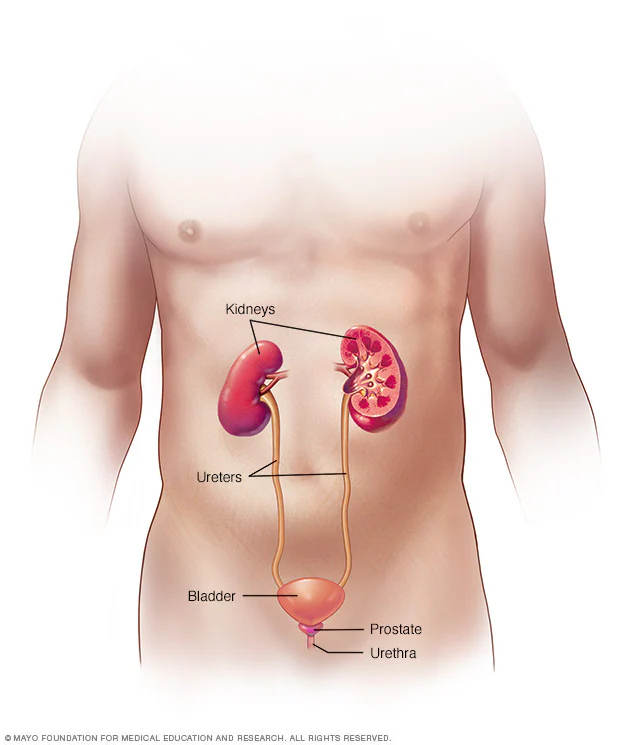
Your urinary system includes the kidneys, ureters, bladder, and urethra. Together, these organs remove waste from the body through urine. Specifically, the kidneys, located toward the back of the upper abdomen, filter waste and fluid from the blood and produce urine. Then, urine moves from the kidneys through narrow tubes called the ureters to the bladder. The bladder, in turn, stores urine until it’s time to urinate. Finally, urine leaves the body through another small tube called the urethra.