


Prostate Cancer Veterans
Statistics show that military personnel, including Prostate Cancer Veterans, are more likely to be diagnosed with prostate cancer. Learn more about the specialized support we provide to veterans and others throughout their cancer journey.
WHAT IS PROSTATE CANCER?
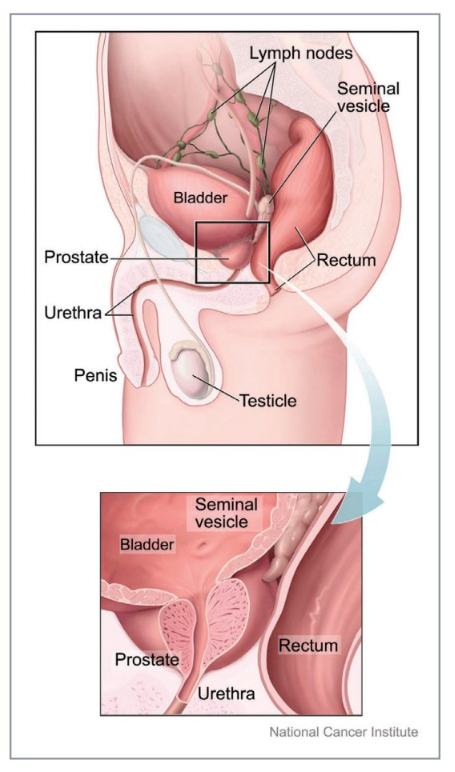
Prostate cancer starts in the prostate, a walnut-shaped gland in the male reproductive system. The prostate sits below the bladder and in front of the rectum. It surrounds the urethra and produces fluid that nourishes and protects sperm cells.
Cancer occurs when cells grow uncontrollably and form tumors. Tumors may be benign (not cancerous) or malignant (cancerous). Most prostate cancers grow slowly and remain in the prostate. However, some grow aggressively and spread quickly.
WHY ARE VETERANS AT HIGHER RISK?
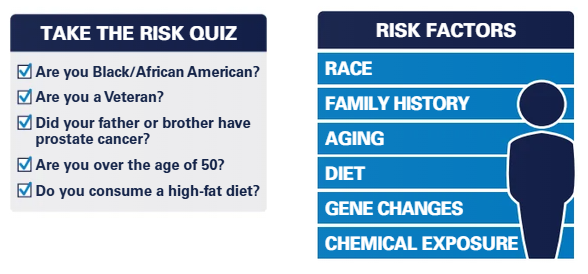
Military personnel who encounter toxic chemicals and herbicides face a higher risk of developing prostate cancer. For example, exposures to Agent Orange, burn pits, and PFAS and PFOA chemicals significantly increase the risk of various cancers, including prostate cancer. In addition, other service-connected factors—especially those affecting individuals in military aviation—may also contribute to this elevated risk. However, researchers have not yet fully understood the impact of these additional factors.
This higher risk of prostate cancer makes it essential for every Veteran to understand the risks and treatment options. Veterans should explore care through the Veterans Health Administration, the Community Care Network, or another treatment facility.
WHY ARE VETERANS AT HIGHER RISK?
An Urgent Need
There are some alarming numbers related to Veterans and prostate cancer that require immediate action as well as long-term planning to ensure that Veterans get the support they need.
WHO IS AT RISK?
Prostate cancer kills an American man every 15 minutes—that’s more than 96 deaths each day. A man’s risk increases with age, and doctors diagnose most prostate cancer cases in men over 50. Family history, African ancestry, and aging raise the risk significantly. Studies show that active-duty military personnel face twice the risk of being diagnosed with prostate cancer.
