

When prostate cancer is detected early and is still confined to the prostate (localized), there are several proven treatment options with high success rates. The right choice depends on your cancer characteristics, overall health, and personal preferences
Localized prostate cancer stays within the prostate, usually in Stage I or Stage II. If doctors diagnose you with early-stage prostate cancer, you can choose the best treatment for you. Localized treatment options include active surveillance, surgery (radical prostatectomy), and radiation therapy. Take the time to research your options and involve trusted loved ones in your decision-making process, as they can offer support, perspectives, and assistance.
Early-stage or localized prostate cancer stays in the prostate, usually in Stage I or Stage II. If your doctor diagnoses you with early-stage prostate cancer, you can choose the treatment that’s right for you. Localized treatment options include active surveillance, surgery (radical prostatectomy), and radiation therapy. While all prostate cancer treatments may have side effects, common ones from surgery and radiation include erectile dysfunction (difficulty achieving erections) and urinary incontinence (leaking urine). It’s important to discuss the potential side effects of each treatment option with your doctor. Don’t hesitate to ask questions and consider connecting with other men who have been through a similar diagnosis. Take the time to research your options and involve trusted loved ones in your decision-making process, as they can offer support, perspectives, and assistance.
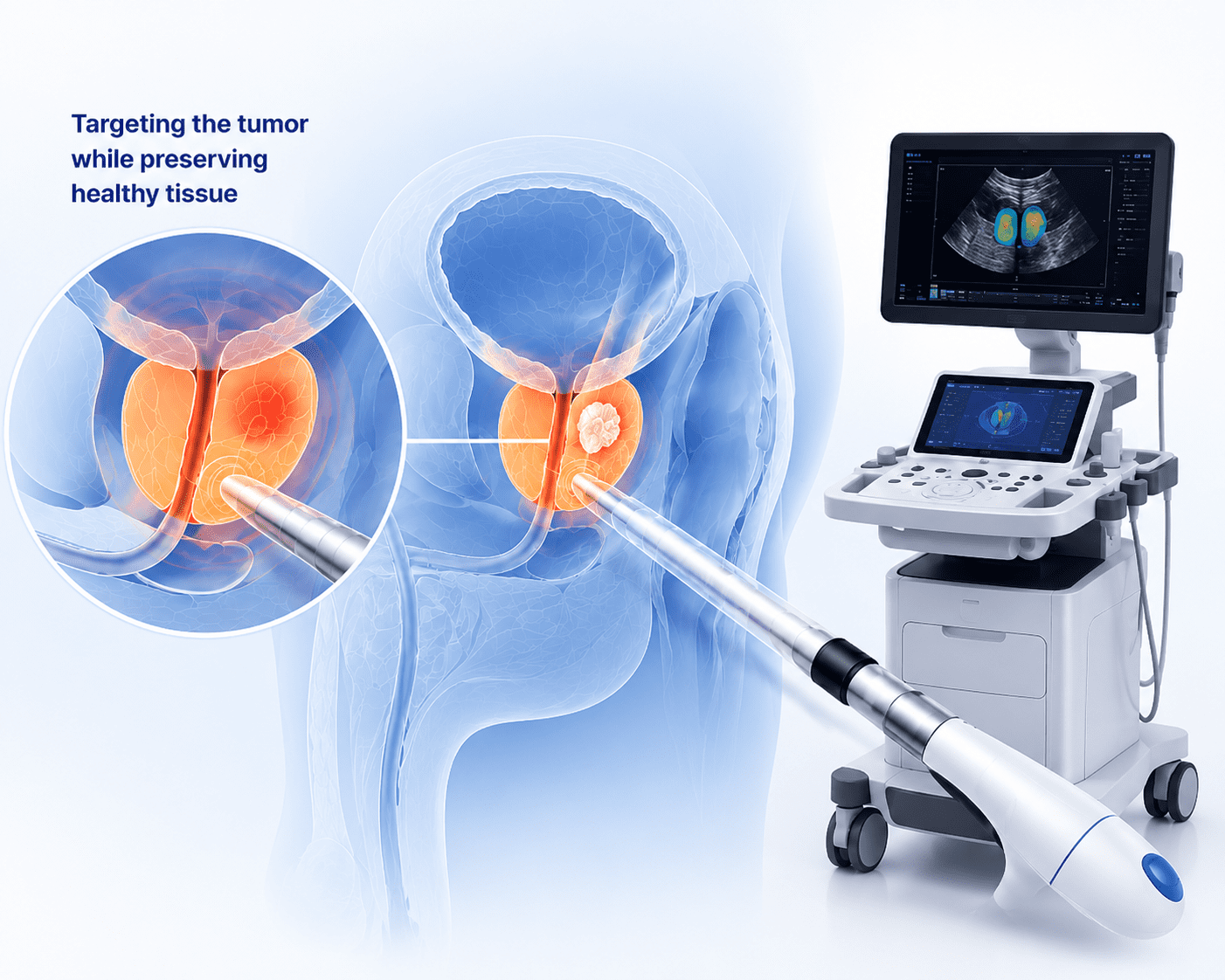
Focal therapy refers to a range of non-invasive or minimally invasive techniques aimed at targeting and destroying small prostate tumors while preserving surrounding healthy tissue.
Treatment options for focal therapy may include:
- Ultrasound treatments like High-Intensity Focused Ultrasound (HIFU) or the TULSA procedure, which use heat to destroy cancer cells
- Cryotherapy, which involves freezing the tumor to eliminate cancer cells
- Focal laser ablation (currently available only in clinical trials)
Focal therapy may be considered for early-stage prostate cancer that is visible through imaging scans. It is often seen as a middle ground between radical prostatectomy and also active surveillance.
- Increased treatment accuracy
- Fewer side effects related to urinary and sexual function
- Better preservation of normal prostate tissue and function
- Typically performed on an outpatient basis
So, researchers are currently studying which prostate cancer patients are the best candidates for focal therapy and how long patients remain disease-free after treatment.
Hormone therapy, or androgen deprivation therapy (ADT), works by stopping or slowing the body’s production of testosterone, which helps to slow tumor growth and shrink existing tumors. While ADT has long been a key treatment for advanced prostate cancer, it is increasingly used alongside radiation therapy for early-stage prostate cancer. So, research has shown that combining ADT with radiation therapy improves long-term survival.
However, hormone therapy alone is not effective for localized prostate cancer. Long-term studies have demonstrated that survival rates are worse when hormone therapy is used without radiation, compared to when the two treatments are combined.
Your treatment options will depend on various factors, most importantly the characteristics of your cancer, such as its stage, grade, and risk level. Other personal factors include:
- Any existing health conditions, such as heart disease or diabetes
- Previous prostate surgery
- Age
- Your personal preferences