



What is Prostate Cancer?
Prostate Cancer Overview: It’s important to understand the implications of prostate cancer, a condition that often develops slowly and may not show symptoms until it significantly affects your urinary function. As you age, particularly if you are over 50 or have a family history of the disease, your risk increases. Prostate Cancer Overview helps you explore risk factors and understand why early detection matters. While many cases can be monitored without immediate treatment, early detection through PSA testing may improve your outcomes. This informative post, part of our Prostate Cancer Overview, will guide you through the symptoms, causes, testing options, and treatment approaches available to support your health.
What is the prostate?
The prostate is a small gland in the pelvis and is part of the male reproductive system. About the size of a walnut, it’s located between the penis and the bladder and surrounds the urethra. The main function of the prostate is to produce a thick white fluid that creates semen when mixed with the sperm produced by the testicles.
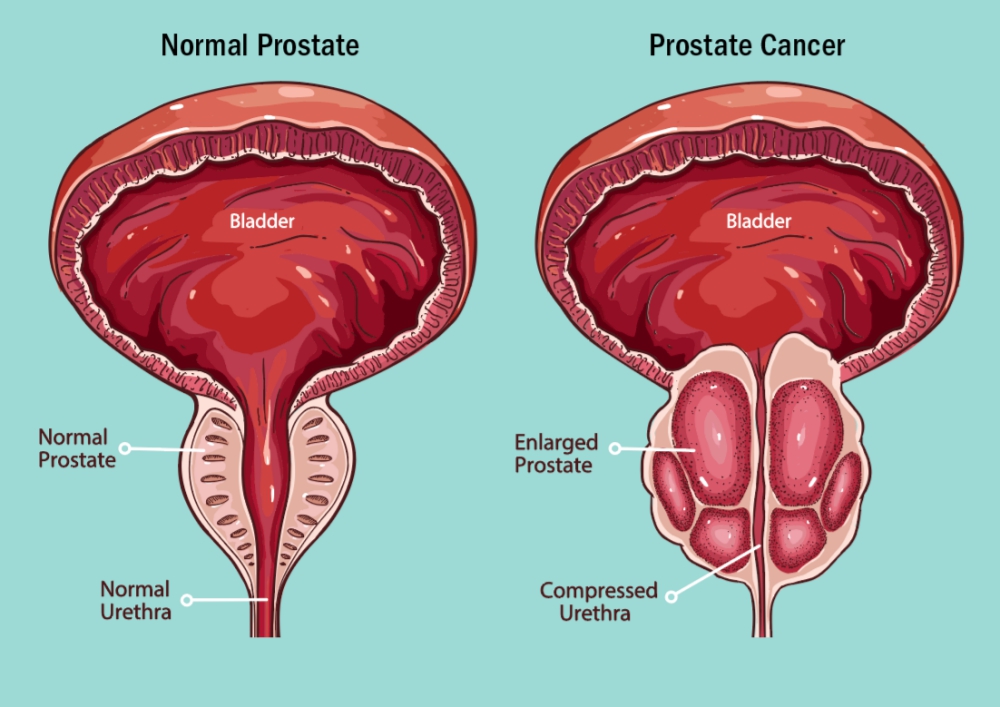
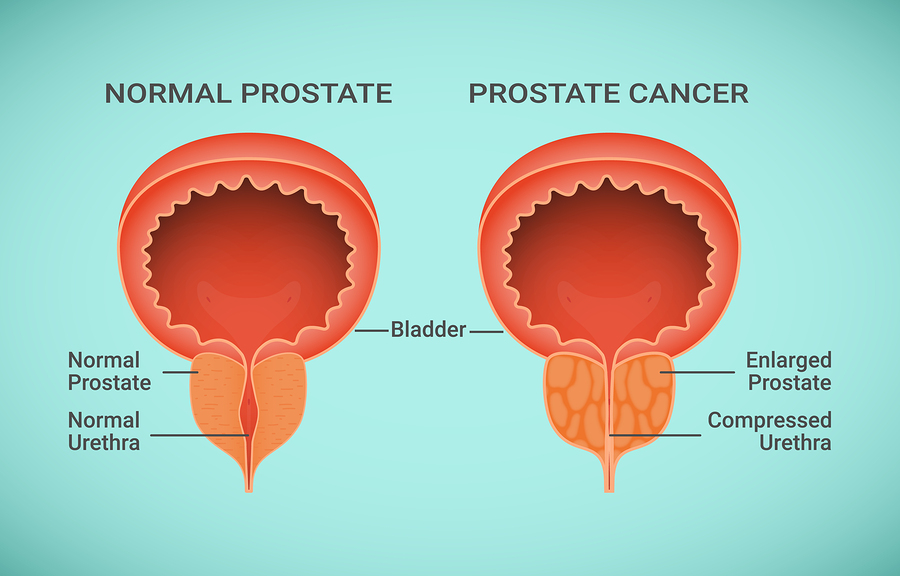
To understand the symptoms of prostate cancer, it’s important to note that they often do not appear until the prostate grows large enough to affect the urethra, which can lead to various urinary issues. While these symptoms should not be ignored, they are often linked to other conditions, such as prostate enlargement, rather than cancer itself.

Causes and Risk Factors
One of the primary aspects to consider when assessing your risk for prostate cancer is understanding the various causes and risk factors. Some of these include:
- Age – Risk increases as you get older
- Ethnicity – Higher rates in black men
- Family History – Genetic predisposition
- Obesity – Linked to a higher risk
After analyzing these factors, it’s crucial to consult your healthcare provider for personalized advice and screening options.
Diagnosis of Prostate Cancer
Your journey towards understanding prostate cancer often begins with a diagnosis, which can be complex as there is no single definitive test. Various tests, including biopsies and imaging, are utilized to provide a comprehensive assessment of your prostate health, allowing your healthcare provider to determine the extent of any potential cancer.
Testing Methods
Against this backdrop, several testing methods, such as biopsies and imaging scans, play key roles in diagnosing prostate cancer. These methods help to provide a clearer picture of your prostate health and guide further investigations or treatment options based on the findings.
Treatment Options
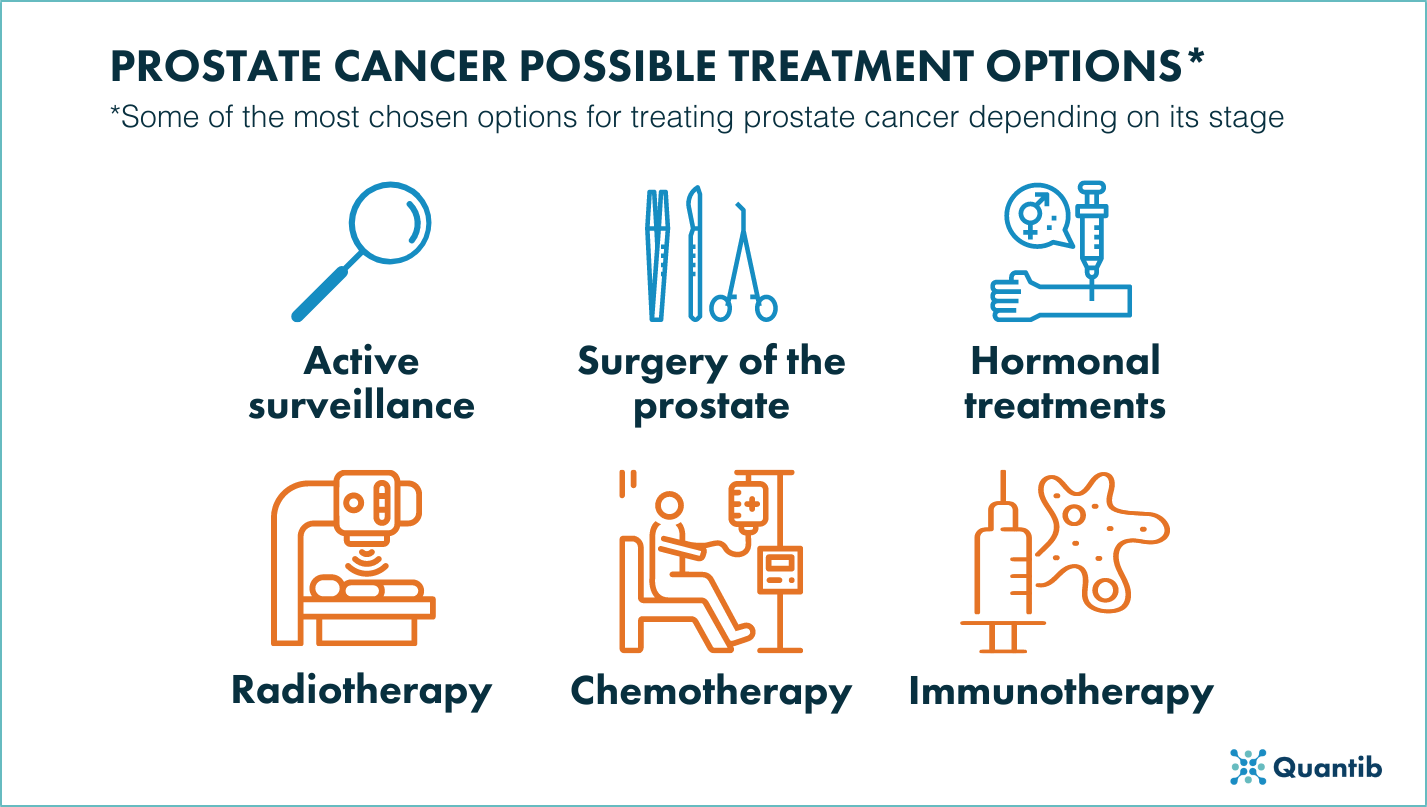
Now, when it comes to treating prostate cancer, the approach depends on the cancer stage and your overall health. You may not require immediate treatment if diagnosed early, as many cases develop slowly. Your healthcare provider will guide you through available options, considering the best strategy for your situation.
Early-Stage Management
On discovering early-stage prostate cancer, you might explore options like “watchful waiting” or “active surveillance.” These strategies allow your doctor to monitor your condition closely without initiating immediate treatment.
Advanced-Stage Interventions
To treat advanced-stage prostate cancer, practitioners typically recommend more intensive approaches. The goal is to manage symptoms and prolong life since the cancer may have spread beyond the prostate. Treatment avenues may include:
- Surgery
- Radiotherapy
- Hormone therapy
- Chemotherapy
Table of Advanced-Stage Treatments
| Treatment | Description |
| Surgery | Removal of the prostate and surrounding tissues. |
| Radiotherapy | Use of targeted radiation to kill cancer cells. |
| Hormone Therapy | Reduces hormone levels that fuel the cancer’s growth. |
| Chemotherapy | Drug treatment aimed at killing rapidly dividing cancer cells. |
Interventions such as surgery, radiotherapy, and hormone therapy focus on controlling advanced prostate cancer and may help alleviate symptoms. As treatment carries potential side effects like erectile dysfunction and urinary changes, discussing these with your healthcare team can help you make informed choices. Each option comes with unique benefits that you should evaluate based on your personal health and circumstances.
- Surgery to remove cancerous tissue
- Radiotherapy for localized treatment
- Hormone therapy to slow cancer progression
- Chemotherapy for systemic management
Living with Prostate Cancer
For many, living with prostate cancer can be a manageable experience, as the disease often progresses slowly. You may live for years without symptoms or needing treatment, but it’s vital to remain vigilant. So, staying informed about your condition and engaging in open conversations with your healthcare team can help you navigate this journey more smoothly.