

Many people believe that the PSA blood test can detect prostate cancer, but this is not true. The PSA test isn’t specifically designed to identify cancer. A higher-than-normal PSA level can signal various non-cancerous prostate conditions. As a result, additional information, including MRI, is necessary. Typically, urologists suggest an immediate ultrasound-guided needle biopsy (TRUS biopsy), which is invasive and carries risks like pain and infection. But why undergo this procedure without confirming cancer presence or having a clear target location in the prostate?
Many people believe that the PSA blood test can detect prostate cancer, but this is not true. The PSA test isn’t specifically designed to identify cancer. A higher-than-normal PSA level can signal various non-cancerous prostate conditions. As a result, additional information, including MRI, is necessary. Typically, urologists suggest an immediate ultrasound-guided needle biopsy (TRUS biopsy), which is invasive and carries risks like pain and infection. But why undergo this procedure without confirming cancer presence or having a clear target location in the prostate?
Our BlueLaser™ 3T mpMRI Plus uses the latest multiparametric imaging advancements. It includes Restricted Spectrum Imaging (RSI) powered by AI. RSI improves cancer detection significantly. Originally designed for brain imaging, RSI detects subtle neurological disease differences. Applied to prostate imaging, it highlights potentially cancerous lesions clearly.
When a high PSA level raises concerns, the next step is to get an accurate 3D image of the prostate. This image helps distinguish healthy tissue from cancerous tissue. Identifying healthy tissue is as crucial as detecting unhealthy areas. Ultrasound alone is not enough because it cannot pinpoint the differences needed to tell cancer from normal tissue.
When a high PSA level raises concerns, the next step is to get an accurate 3D image of the prostate. This image helps distinguish healthy tissue from cancerous tissue. Identifying healthy tissue is as crucial as detecting unhealthy areas. Ultrasound alone is not enough because it cannot pinpoint the differences needed to tell cancer from normal tissue.
Research now demonstrates that combining cutting-edge technology with expert knowledge makes a significant impact. By integrating the enhanced accuracy of AI-powered RSI with the pioneering expertise of Dr. Sperling and his team, the Sperling Prostate Center remains at the forefront of prostate cancer imaging.
Research now demonstrates that combining cutting-edge technology with expert knowledge makes a significant impact. By integrating the enhanced accuracy of AI-powered RSI with the pioneering expertise of Dr. Sperling and his team, the Sperling Prostate Center remains at the forefront of prostate cancer imaging.
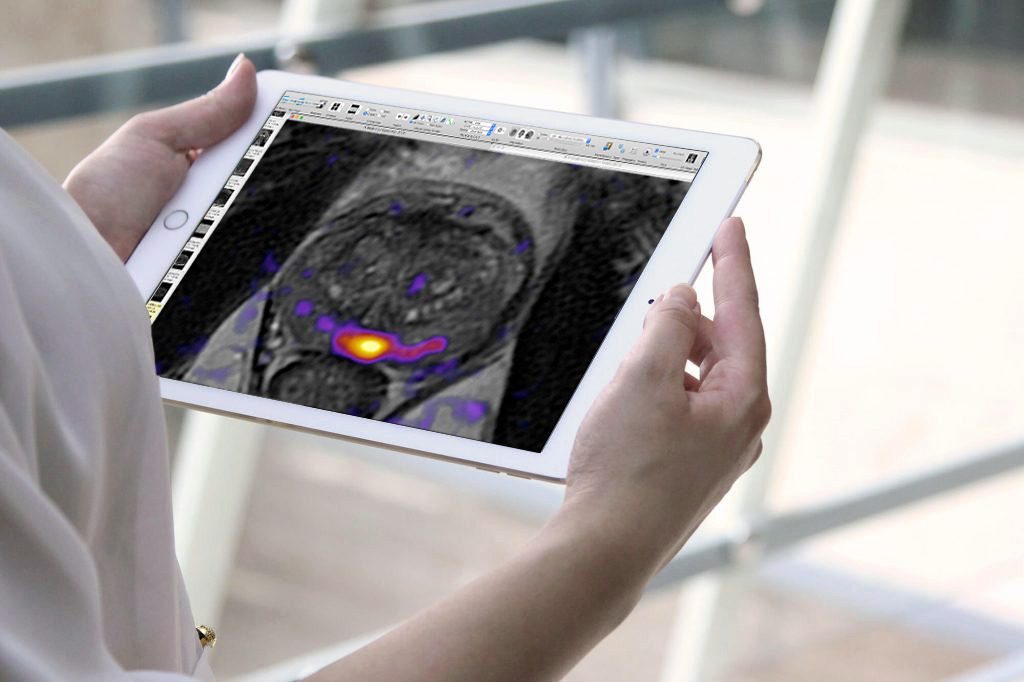
RSI-MRI+ leverages an advanced diffusion MRI technique called Restriction Spectrum Imaging, powered by AI, to enable faster, more accurate prostate cancer detection.
Keep in mind: Early-stage prostate cancer typically shows no symptoms. Detecting it early leads to more accurate diagnoses, better treatment options, and improved outcomes.
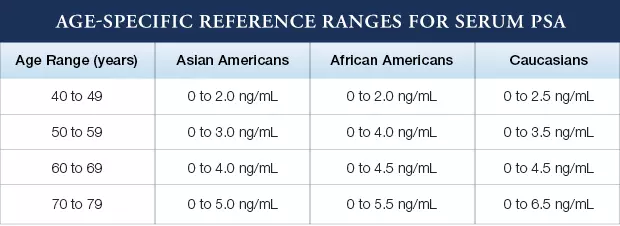
On the other hand, up to 15% of men with normal PSA levels can still have prostate cancer. Even when PSA levels are abnormal, as many as 75% of men end up not having prostate cancer yet have had unnecessary biopsies and worried for nothing.
• You have an elevated or rising PSA
•You have an abnormal DRE
•You were treated for a prostate infection or inflammation but your PSA is still high
• You are on Active Surveillance
• You are in a high-risk category to develop prostate cancer (genetic or environmental factors)
• You have not had a PSA test but you have unusual urinary symptoms