


There are various treatment options for prostate cancer, and your choices will depend on factors such as the stage and grade of the tumor—whether the cancer has spread and how aggressive it is. Other considerations include your age, general health, family history of cancer, and the results of genetic or biomarker testing. Understanding all available treatment options will help you make an informed decision.
- Choose a treatment team you feel comfortable with
- Ask plenty of questions
- Understand the stage and grade of your tumor, as well as your risk group
- Conduct your own research Consider seeking a second opinion
- Consider seeking a second opinion
- Learn about how different treatments might impact your quality of life, including potential side effects during and after treatment

There are several treatment options for prostate cancer, and there is no one-size-fits-all approach. It’s important to learn about the different available treatments, including active surveillance, local therapies, systemic therapies, and clinical trials. Understanding advancements in treatment and the potential side effects will help you make a well-informed decision that’s best suited to your situation.
For men with low-risk, slow-growing prostate cancer, active surveillance may be the most appropriate approach. This management strategy involves closely monitoring the disease through regular PSA tests, digital rectal exams (DRE), and biopsies. The goal of active surveillance is to avoid or delay unnecessary treatments and their potential side effects while ensuring the cancer is carefully tracked. If signs of cancer progression are detected, your healthcare team may recommend transitioning to a more active treatment plan.

Surgery to remove the prostate gland is one of the most common treatments for prostate cancer. Doctors can perform the procedure through traditional open surgery or minimally invasive techniques, such as laparoscopic or robotic-assisted surgery. Doctors often recommend prostatectomy for men with localized prostate cancer (cancer confined to the prostate).
Benefits: The main benefit of prostatectomy is the removal of cancerous tissue. However, it can come with side effects, such as erectile dysfunction and urinary incontinence, depending on the success of the surgery.
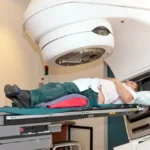
Radiation therapy uses high-energy rays or particles to target and destroy cancer cells. This treatment is effective for localized prostate cancer or in cases where cancer has recurred after surgery. There are two primary types of radiation therapy: external beam radiation and brachytherapy (internal radiation).
Benefits: Radiation is a less invasive option and can be used to treat prostate cancer without the need for surgery. The side effects can include fatigue, urinary problems, and erectile dysfunction.

High-intensity focused ultrasound (HIFU) is a minimally invasive, experimental procedure used to treat prostate cancer. This technique uses precise, focused ultrasound energy (sound waves) to destroy prostate cancer cells. Doctors may offer HIFU as a treatment option for patients with low- to intermediate-risk prostate cancer confined to the prostate.
Benefits: HIFU is a minimally invasive treatment that targets prostate cancer precisely, with quicker recovery and fewer side effects, especially for low- to intermediate-risk cases.

Cryotherapy uses extreme cold to freeze and destroy prostate cancer cells. It is usually used for early-stage prostate cancer or recurrent cancer after radiation therapy.
Benefits: Cryotherapy is minimally invasive, with fewer risks compared to surgery. However, side effects like erectile dysfunction or urinary issues can still occur.

However, Hormone therapy works by reducing the levels of male hormones (androgens) like testosterone that fuel prostate cancer growth. Doctors often use this treatment for advanced prostate cancer, including metastatic cancer or when cancer returns after initial treatments.
Benefits: Hormone therapy can shrink or slow the growth of prostate cancer, but it may come with side effects such as hot flashes, decreased libido, and loss of bone density.

Immunotherapy is a treatment designed to stimulate the body’s immune system to recognize and also destroy cancer cells. Although still a relatively new approach in prostate cancer treatment, clinical trials have shown promising results.
Benefits: Immunotherapy may be effective for certain types of prostate cancer, especially in cases where other treatments have failed.

Chemotherapy involves using drugs to kill fast-growing cancer cells throughout the body. Doctors generally use this treatment when prostate cancer spreads beyond the prostate or when hormone therapy stops working.
Benefits: Chemotherapy can help manage advanced prostate cancer and also alleviate symptoms associated with metastasis, like bone pain.


All treatment options come with potential side effects that may affect your quality of life. Two of the most common are urinary incontinence and also erectile dysfunction. Before choosing a treatment, it’s important to discuss these potential side effects with your doctor and explore ways to manage them.
Treatment options may include active surveillance, surgery, radiation therapy, hormone therapy, chemotherapy, immunotherapy, cryotherapy, HIFU, or clinical trials.
Doctors consider the cancer stage, grade, PSA level, overall health, age, risk group, and whether the cancer has spread before recommending a treatment plan.
Nutrition, exercise, stress management, and holistic wellness support may help overall health, but they should be discussed with a healthcare professional and used alongside proper medical guidance.