

PEMF therapy treatment involves the use of low-frequency electromagnetic fields to promote healing at the cellular level. The treatment uses a device that emits electromagnetic pulses, which penetrate deep into the body and stimulate cellular repair. These pulses help to improve blood circulation, reduce inflammation, and support tissue regeneration.
Doctors often use PEMF therapy to treat musculoskeletal conditions like arthritis or chronic pain, and it has recently gained attention for its potential benefits in cancer care. For prostate cancer patients, PEMF may help alleviate symptoms, improve quality of life, and support recovery from conventional treatments.
Enhancing Circulation and Oxygenation
PEMF therapy improves blood flow, which can help enhance the delivery of oxygen and nutrients to tissues. Better circulation may increase the effectiveness of chemotherapy and radiation therapy by ensuring that cancer cells receive the necessary treatments to damage or kill them.
Supporting Cellular Repair and Regeneration
PEMF stimulates cellular activity, supporting the natural healing process. This can be particularly beneficial for patients undergoing chemotherapy or radiation, as these treatments can damage healthy tissues. PEMF therapy may help these tissues regenerate more effectively.
The clinical evidence surrounding PEMF therapy for cancer treatment is still in its early stages. Several studies show promising results for improving tissue repair, reducing pain, and supporting overall wellness. Researchers need more studies to understand PEMF therapy’s full potential in cancer care. Early findings suggest it adds value to conventional treatments.
Researchers have investigated PEMF for its ability to reduce cancer-related pain, regenerate healthy tissue after treatment, and improve overall recovery. While not yet approved as a standard cancer treatment, PEMF therapy is gaining interest in the integrative oncology community.

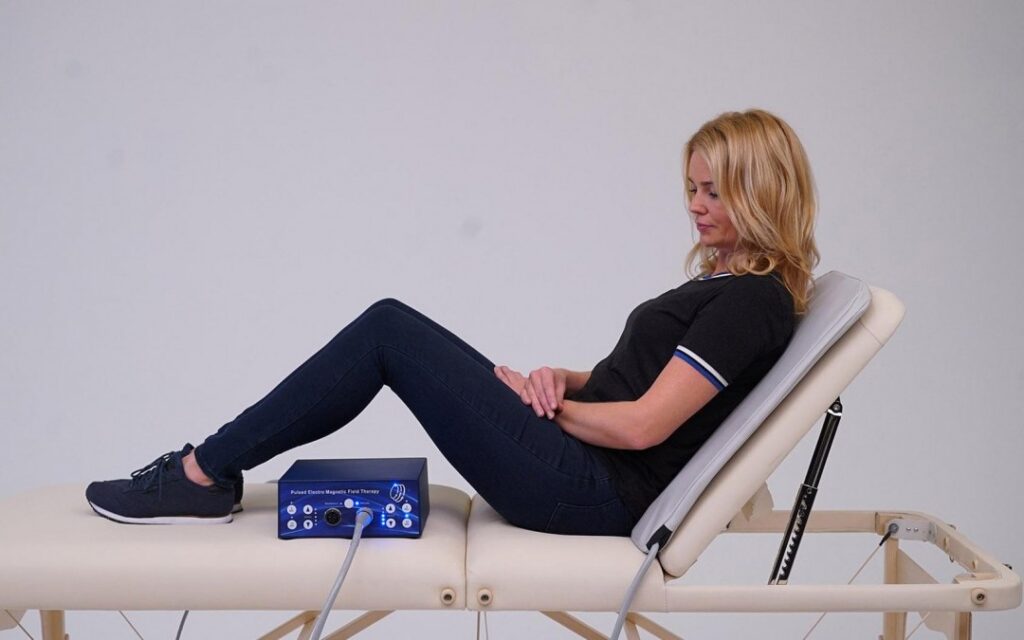
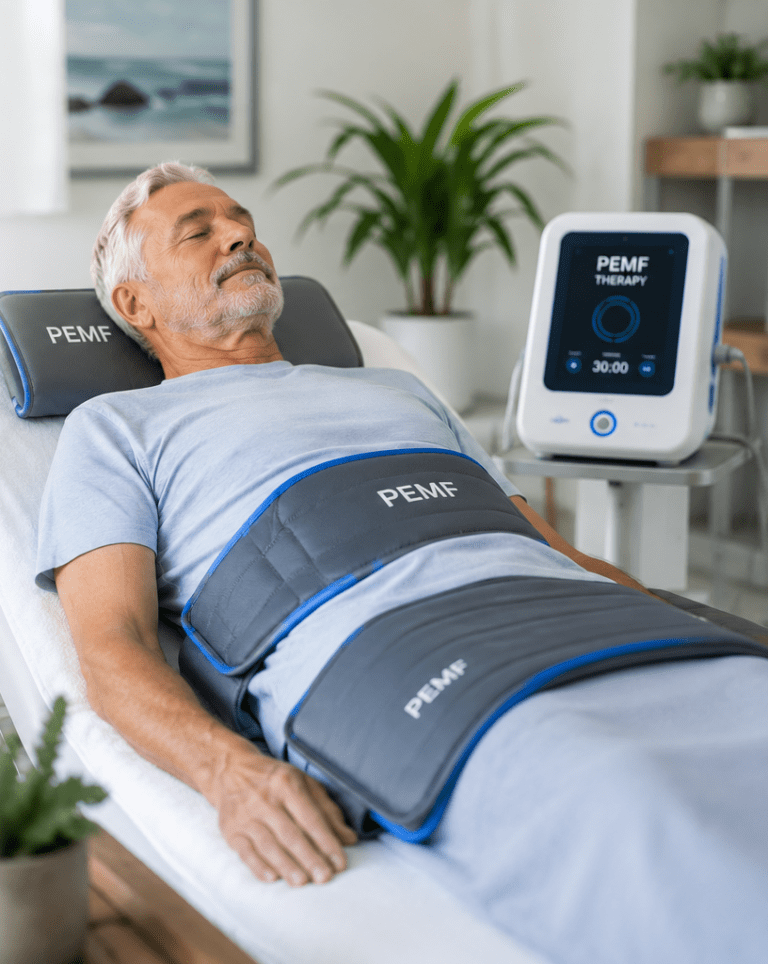
A typical PEMF therapy session lasts 15 to 30 minutes, depending on the treated area and protocol. During the session, the therapist asks you to lie or sit comfortably while the device emits electromagnetic pulses over the targeted area.
Most patients find the treatment relaxing, and many report feeling more energized and comfortable afterward. Some patients may feel mild discomfort or a tingling sensation during the session, but most tolerate it well.
PEMF therapy is non-invasive and does not require any downtime, so patients can resume their normal activities immediately after a session.
PEMF therapy may help prostate cancer patients seeking complementary treatment to support well-being. It can enhance conventional therapies’ effectiveness. However, always discuss PEMF therapy with your oncologist first. This ensures it is safe and fits your treatment plan.
PEMF therapy helps reduce side effects, promote healing, and improve overall health but should not replace proven cancer treatments. It works best when combined with conventional therapies in an integrative treatment plan for optimal outcomes.
PEMF therapy offers a non-invasive, drug-free option for prostate cancer patients who want to enhance their treatment and overall well-being. While not a cure for cancer, PEMF can provide significant benefits in terms of pain relief, improved circulation, and support for healing. Always consult with your healthcare provider before starting PEMF therapy to ensure it’s a suitable option for your treatment plan.
As part of a comprehensive cancer care approach, PEMF therapy may help patients feel better, recover faster, and tolerate their treatments more effectively, making it a promising complementary therapy for prostate cancer.