
Understanding the stages of prostate cancer helps you determine how serious the disease is and which treatment options work best. Doctors use a staging system to describe how far the cancer has grown, whether it stays in the prostate, or spreads to nearby tissues, lymph nodes, or distant body parts. They typically divide prostate cancer into four main stages (I–IV), with each stage showing a different level of progression. This staging guides treatment decisions and also helps predict a person’s outlook.
Overview of the Stages of Prostate Cancer
Doctors classify prostate cancer into different stages based on how far it has spread. They use staging to determine the appropriate treatment and also manage the disease. The four main stages—Stage I, II, III, and IV—describe the extent of the cancer and also its spread to nearby tissues or organs.
The cancer remains in the prostate but has grown. Doctors may find it in one or both sides of the prostate. The PSA level may rise.
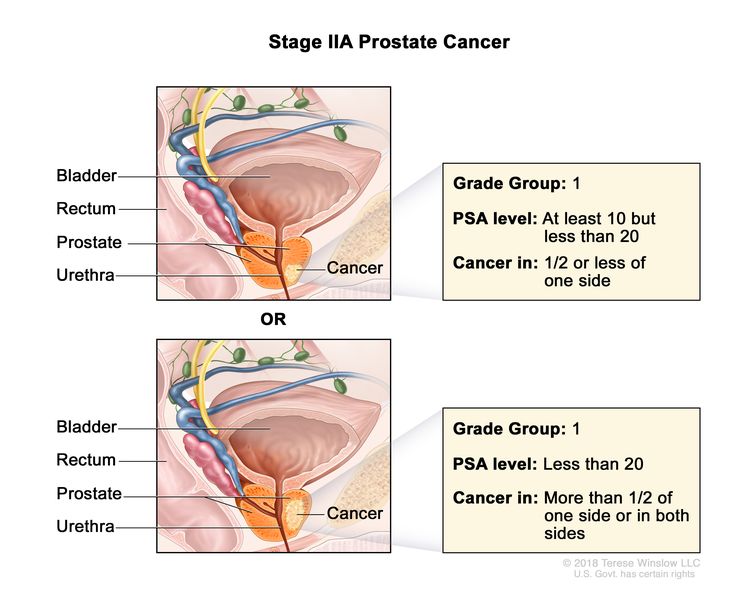

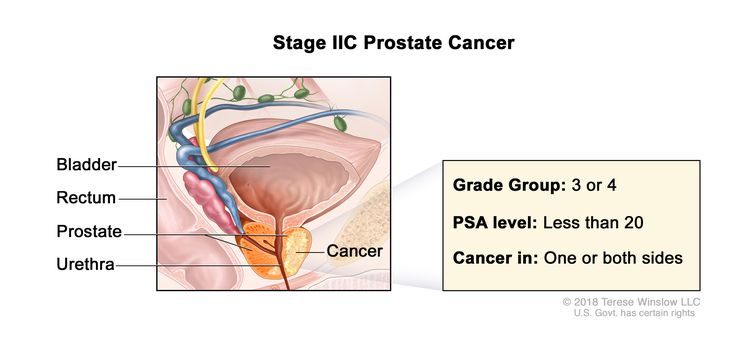
The cancer remains confined to the prostate and may not show during a digital rectal exam. The PSA level is usually low.
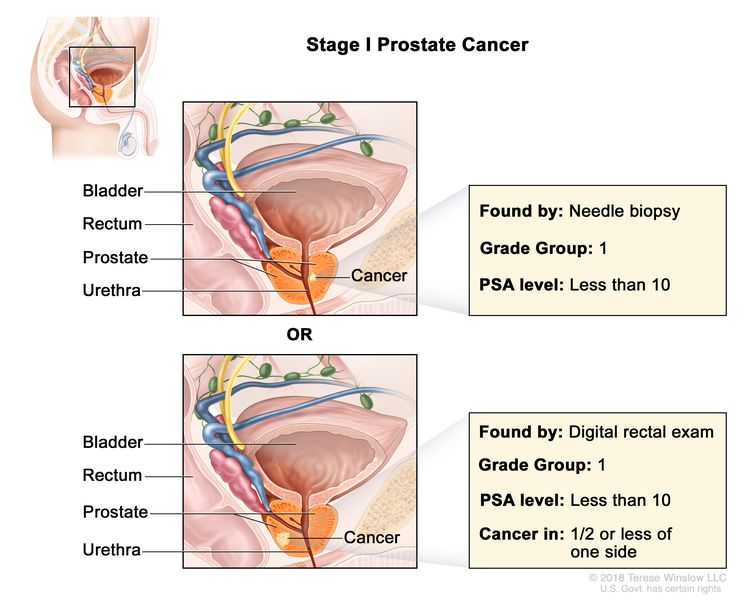
The PSA level is less than 10 and the Grade Group is 1; or doctors feel the cancer during a digital rectal exam and find it in half or less of one side of the prostate.
The PSA level is less than 10 and the Grade Group is 1.
Cancer has spread beyond the prostate to nearby tissues or organs such as the seminal vesicles or pelvic wall, with a higher PSA level.
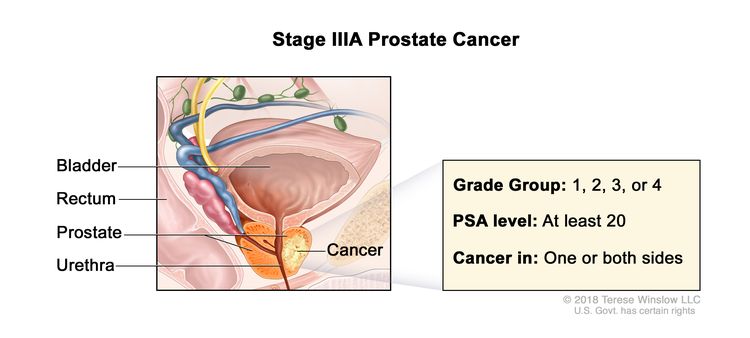
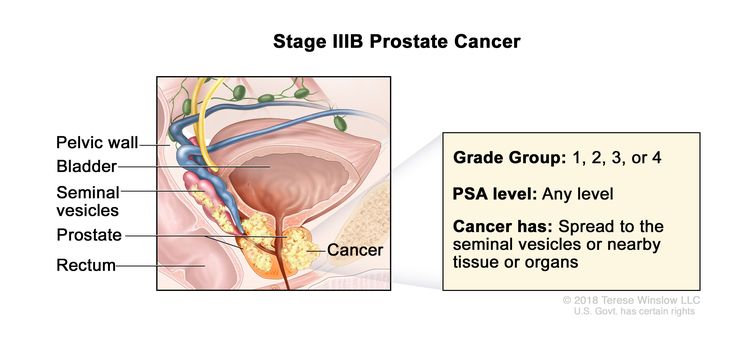
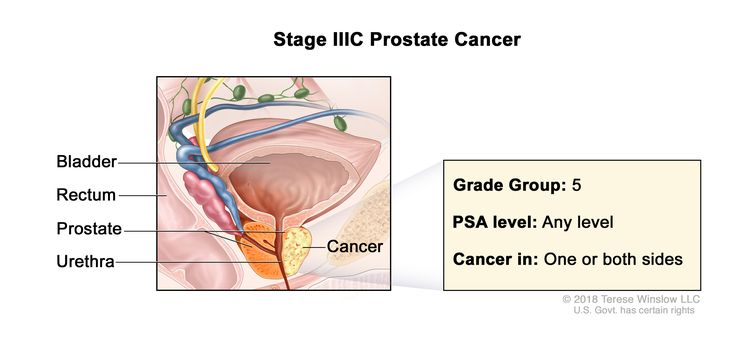
The prostate-specific antigen can be any level and the Grade Group is 5.
Cancer has spread to distant parts of the body, including bones or lymph nodes, significantly impacting prognosis and treatment options.
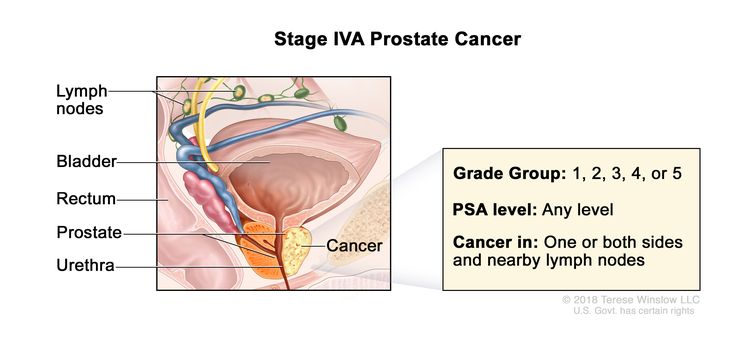
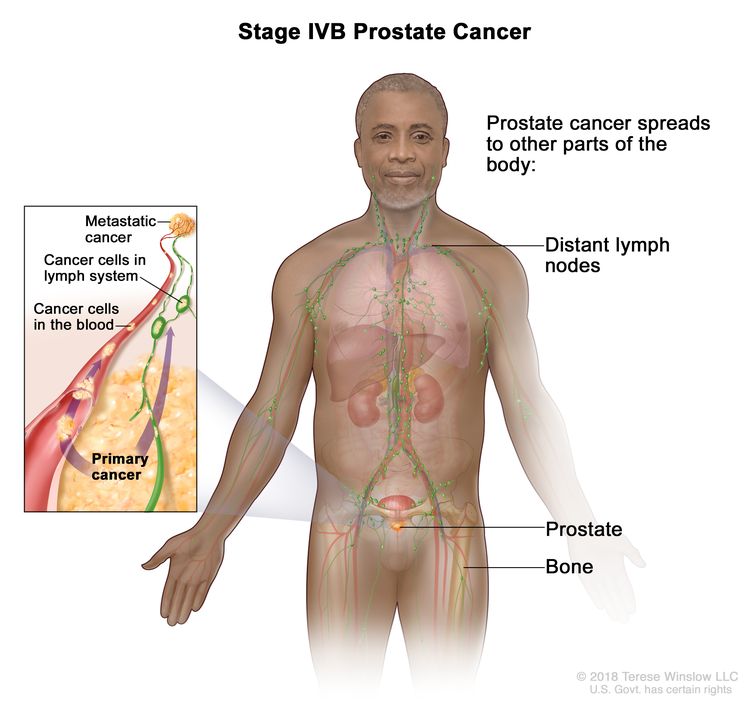
Doctors use the Grade Group and PSA level to stage prostate cancer.
The stage of the cancer is based on the results of the staging and diagnostic tests, including the prostate-specific antigen (PSA) test and the Grade Group. Doctors use the tissue samples removed during the biopsy to determine the Gleason score. The Gleason score ranges from 2 to 10 and describes how different the cancer cells look from normal cells under a microscope and how likely it is that the tumor will spread. The lower the number, the more cancer cells look like normal cells and are likely to grow and also spread slowly.
The Grade Group depends on the Gleason score. See the General Information section for more information about the Gleason score.
- Grade Group 1 is a Gleason score of 6 or less.
- Grade Group 2 or 3 is a Gleason score of 7.
- Grade Group 4 is a Gleason score 8.
- Grade Group 5 is a Gleason score of 9 or 10.
The PSA test measures the level of PSA in the blood. The prostate makes PSA, a substance that often increases in the blood of men with prostate cancer.
Common Tests for Staging:
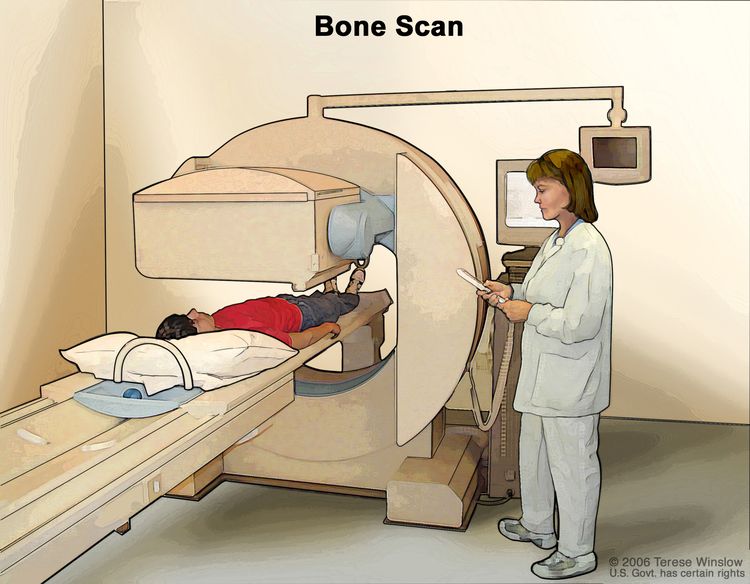
- Bone Scan: Detects cancer spread to bones.
- MRI & CT Scan: Provides detailed images to determine the extent of the cancer.
- PSA Testing: Measures prostate-specific antigen levels, which can indicate the presence of cancer.
- Biopsy: Confirms the cancer’s presence and helps determine its aggressiveness based on the Gleason score.
Healthcare providers use the stage of prostate cancer to develop an individualized treatment plan to manage the disease. You should get regular screenings and discuss your health with your doctor to monitor and detect prostate cancer early, improving treatment outcomes.